
Well 2026 is here now can you believe it?
A new year, new opportunities, and a familiar temptation to talk more, explain more, justify more.
Finance professionals are brilliant at filling space. Silence makes us uncomfortable. It feels like we’re not adding value. So we jump in early, keep talking, and surround our message with context, caveats, and commentary until it’s almost unrecognisable.
But sometimes, saying nothing says far more than saying everything.
It’s one of the reasons my book is called “The QUIET approach to Finance Business Partnering”
Being composed, measured and controlled holds significant power.
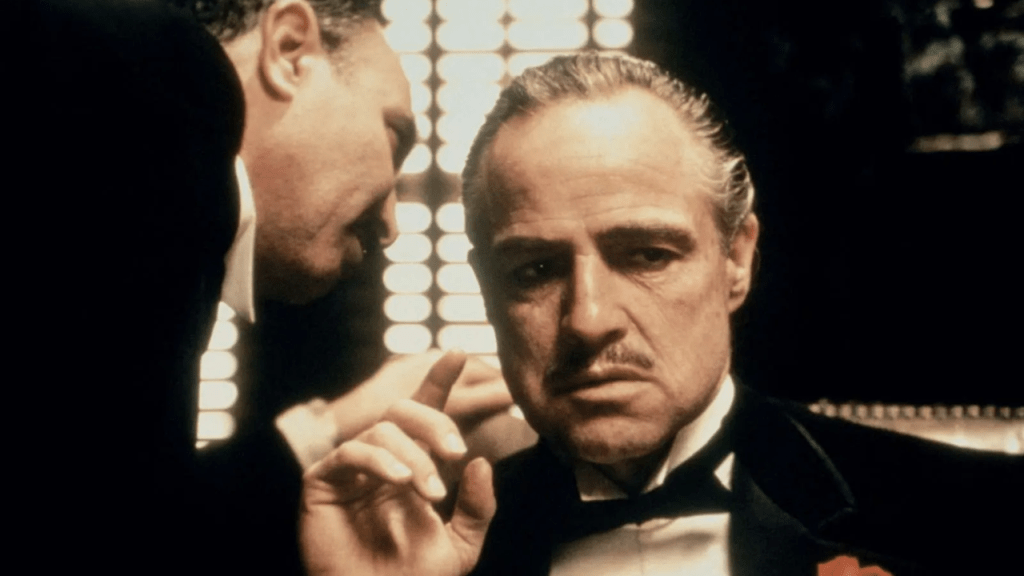
Over the holiday break, just to see this in action I watched The Godfather Trilogy for the first time. I’d never seen it before, and thought I have some time on my hands with the cricket ending early each Test.
One thing stood out more than anything else: the power of silence – particularly in the character of Vito Corleone.
It’s even more striking when you realise that Marlon Brando won Best Actor for the role, while Al Pacino – despite way more screen time and lines – was nominated for Best Supporting Actor.
Brando speaks less. Appears less. And yet carries more weight.
That’s not accidental. It’s a masterclass.
There’s a scene in Part II where a young Vito (played by De Niro not Brando) negotiates rent with the local landlord on behalf of a female acquaintance. He barely speaks. No data. No justification. No long explanation about why the request is reasonable
He listens.
He pauses.
He allows the other person to keep talking.
And in doing so, he doesn’t just get what he wants – he gets more than he asked for.
watch it here
(The first three minutes is context, then there is the scene I am referring to).
That scene should be compulsory viewing for finance business partners
Because most of the brash, abrasive, enthusiastic go get em types in finance have a silence problem.
Not because we don’t use silence – but because we’re terrified of it.
In meetings, silence feels like danger.
It feels like we’ll be judged as unprepared. So we over-explain. We keep talking “just in case.” We drown good recommendations in background detail. We negotiate against ourselves in real time.
“I recommend option B… but there are some risks… and we haven’t validated everything yet… and of course this depends on assumptions… and marketing might disagree…”
By the time we stop talking, the room has already moved on.
Over-explaining doesn’t make you look more competent. It makes you look more uncertain. And people don’t like uncertainty.
Silence, on the other hand, signals confidence.
And silence isn’t passive. It’s a technique.
Senior leaders don’t rush to fill space. They don’t justify every sentence. They make a statement – and then they wait. The pause does the work for them.
And that’s where finance business partners can dramatically lift their influence.
When you ask a question and stay quiet, people reveal more than they intended.
When you present a recommendation and stop talking, stakeholders are forced to engage with it rather than wait for you to undermine it.
When you pause, you shift the cognitive load from you to them.
That’s powerful.
Think about how often finance people answer their own questions.
“So what would success look like here? Well, I think it’s probably revenue growth and margin stability…”
You never gave them the chance.
Or how often finance fills the gap after a recommendation.
“We should exit this product line.”
(pause feels uncomfortable)
“…because when you look at the cost base and the trajectory and the market dynamics…”
What if you just stopped?
PAUSE
This is also where the “less is more” principle shows up in career perception. People who speak less – but with intent – are perceived as more strategic. More senior. More trustworthy.
Not because they know more.
But because they don’t feel the need to prove it.
Silence communicates: I’m comfortable here.
That’s exactly what Vito Corleone projects in that rent scene. He’s not in a hurry. He’s not trying to win the argument. He lets the other party talk themselves into his position.
Finance business partners who master silence do the same thing.
They don’t chase agreement. They let it arrive.
So here’s a practical technique you can use in your very next meeting.
I call it the Statement/Stop Rule.
Make a clear statement
Ask the question. Deliver the recommendation. State the insight. One sentence. Maybe two. No justification.
Physically stop yourself from talking
Count to five in your head if you have to. Breath In, and Out, Take a sip of water. Look at the room. Do not rescue the silence.
Let the other person break it
The first person to speak reveals what really matters to them. That’s the information you’re actually there to get.
It will feel uncomfortable the first few times. That’s normal. Silence feels loud when you’re used to filling it.
But over time, you’ll notice something shift.
People listen more closely.
Your words carry more weight.
You’re interrupted less.
And your presence feels… different.
More deliberate. More senior. And more powerful.
As we head into 2026, less is more starts with being comfortable in the silence.
Sometimes the most powerful move you can make as a finance business partner is to say what needs to be said – and then not saying anything at all.




 Finance Business Partnering BLOG